

Should You Worry About That White Stuff on Your Brick Wall?
- 0 Comments
- By admin
- PPS Constructions
- 104 Likes
When we do brickwork, afterwards we usually tell the guard or the mason to apply water to the walls. The more water we apply, the stronger the structure becomes. Mortar adds strength, but without proper watering, the structure won’t achieve full strength.
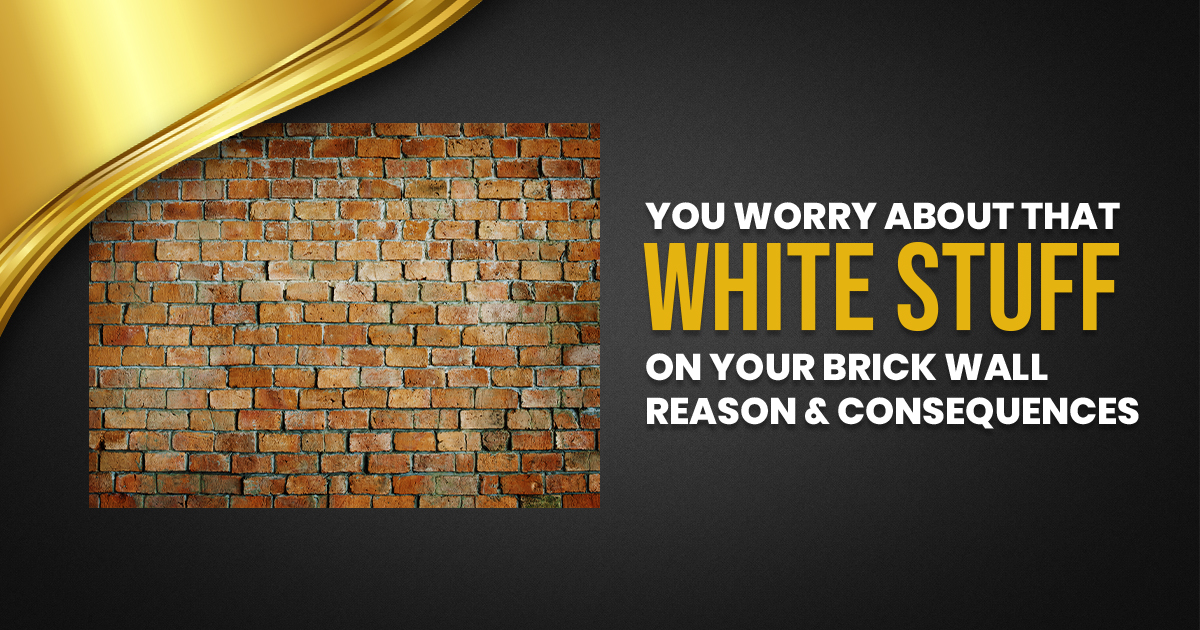
As you keep applying water, a point comes when the bricks absorb as much water as they can, and then they start releasing the excess. This released water often shows up as a white substance on the surface of the bricks. This white residue is a sign that proper curing (watering) has been done and the brickwork has been strengthened.
The purpose of mentioning this is to reassure you—if during construction you see white salt-like deposits on your walls, don’t worry. Instead, be satisfied because this means your wall has been watered properly and the brickwork is strong.
Whenever you see a house being constructed, ensure proper curing of the brickwork. Wherever you apply water, this white substance often starts to appear. This happens because once the bricks absorb the needed water, they release the rest.
This phenomenon also becomes visible during plaster work. Let me show you an example on plaster as well — you will notice the same white effect. This side is from the bathroom, and it shows that the tiles have bonded well due to proper curing. So, whenever you’re about to install tiles in a bathroom or any other area, make sure the surface has been cured beforehand.
Anyway, this white residue on the plaster means it has been properly watered, and that’s why it’s behaving as expected.
In short, curing (watering) the plaster is just as important as curing the brickwork. The benefit is that wherever you start plaster work, make sure to thoroughly water the surface first. After plastering, continue curing for two to four days consistently. This helps strengthen the surface, and again, if you see a white layer forming, that’s a sign of proper curing.

Leave Your Comment